DNA and dollars are killing capital punishment

originally by: smh.com
12th February 2011

The cost of sentencing people to death is changing the minds of cash-strapped states, writes Simon Mann in Washington. America’s financial predicament is having an impact on nearly every aspect of life – and even death.

Cash-strapped states are being forced to rethink their commitment to the death penalty amid evidence that it costs at least three times as much to execute criminals as it does to lock them up for life. The new budgetary imperative is set to keep US execution rates on their decade-long downward path, a trend precipitated by the advent of DNA evidence and a widening acceptance of the judicial system’s fallibility.

Continue reading

Troy Davis files Supreme Court appeal

originally by: Macon.com
24th January 2011

Attorneys for Troy Anthony Davis are asking the U.S. Supreme Court to overrule a federal judge who decided last year the Georgia death row inmate failed to clear his name after getting a rare chance to prove his innocence. Davis’ latest appeal, filed Friday, says the U.S. District Court judge ordered by the Supreme Court to hear his innocence claim last year “evinced a clear hostility to Mr. Davis and his claims throughout the hearing.”

Davis has long said he could prove he was wrongly convicted of the 1989 slaying of off-duty Savannah police officer Mark MacPhail if a court agreed to hear new evidence.

Continue reading

US company stops making key death penalty drug

Lethal Injectionoriginally by: ABC News
21st January 2011

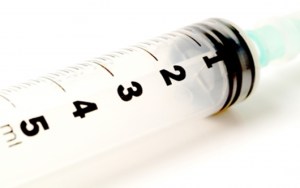
The sole U.S. manufacturer of a key lethal injection drug said Friday it is ending production because of death-penalty opposition overseas — a move that could delay executions across the United States. Over the past several months, a growing shortage of the drug, sodium thiopental, has forced some states to put executions on hold. And the problem is likely to get worse with the announcement from Hospira Inc. of Lake Forest.

Hospira said it decided in recent months to switch manufacturing from its North Carolina plant to a more modern Hospira factory in Liscate, Italy. But Italian authorities demanded a guarantee the drug would not be used to put inmates to death — an assurance the company said it was not willing to give;

Continue reading