
Court tosses death penalty in Arkansas

Youths on Death Rowby: The Columbia Daily Tribune 
published: 22 June 2012

The Arkansas Supreme Court struck down the state’s execution law today, calling it unconstitutional. 

In a split decision, the high court sided with 10 death row inmates who argued that, under Arkansas’ constitution, only the legislature can set execution policy. Legislators in 2009 voted to give that authority to the Department of Correction.

“It is evident to this court that the legislature has abdicated its responsibility and passed to the executive branch, in this case the (Arkansas Department of Correction), the unfettered discretion to determine all protocol and procedures, most notably the chemicals to be used, for a state execution,” Justice Jim Gunter wrote in the majority opinion.
Continue reading

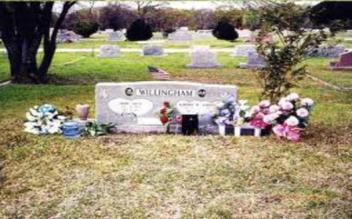
Cameron Todd Willingham exoneration was written but never filed by Texas judge

originally by: Huffington Post
published: 21 May 2012

A Texas judge who reviewed the controversial 2004 execution of Cameron Todd Willingham planned to posthumously exonerate the father who was put to death for killing his three daughters in a house fire.

Scientific experts who debunked the arson evidence used against Willingham at his 1992 trial and a jailhouse witness who recanted his shaky testimony convinced District Court Judge Charlie Baird in 2010 that “Texas wrongfully convicted” him. But Baird’s order clearing Willingham’s name never became official, because a higher court halted the posthumous inquiry while it considered whether the judge had authority to examine the capital case.

Continue reading

Wrong man was executed in Texas

originally by: Yahoo! News UK
published: 15 May 2012

He was the spitting image of the killer, had the same first name and was near the scene of the crime at the fateful hour.

Carlos DeLuna paid the ultimate price and was executed in place of someone else in Texas in 1989, a report out Tuesday found. Even “all the relatives of both Carloses mistook them,” and DeLuna was sentenced to death and executed based only on eyewitness accounts despite a range of signs he was not a guilty man, said law professor James Liebman.

Liebman and five of his students at Columbia School of Law spent almost five years poring over details of a case that he says is “emblematic” of legal system failure.

Continue reading