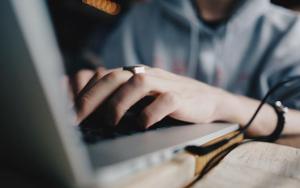
Secure video calls to help prisoners maintain family ties

Woman on Laptopsource: GOV.UK News
published: 15 May 2020

Secure video calls will be introduced to prisons and young offender institutions (YOIs) across England and Wales to maintain vital family contact for prisoners and young offenders during the coronavirus pandemic.

Following a successful trial at HMP Berwyn, Her Majesty’s Prison and Probation Service (HMPPS) is installing the technology at 10 institutions with a wider rollout in the coming weeks.


Continue reading

The prisoner risk algorithm that could program in racism

Domiciliary Prisonsource: TBIJ News
published: 14 November 2019

A new algorithmic tool for categorising prisoners in UK jails risks automating and embedding racism in the system, experts and advocacy groups have warned.

The tool draws on data, including from the prison service, police and the National Crime Agency, to assess what type of prison a person should be put in and how strictly they should be controlled during their sentence.

Critics told the Bureau that the new system could result in ethnic minority prisoners being unfairly placed in higher security conditions than white prisoners. This would exacerbate long-standing problems of discrimination exposed in an excoriating review two years ago by the Labour MP David Lammy.

Continue reading

The crisis of Aboriginal women held in prison in Australia

Domiciliary Prisonsource: Aljazeera News
published: 2 December 2019

Melbourne, Australia – Vickie Roach was 12 the first time she was imprisoned.

Forty-eight years ago, in the early 1970s, she was arrested after running away from abusive foster homes and institutions.

“The morning after you arrive, you have to go see the doctor. They would examine you to see if you were pregnant or had STDs. And if you weren’t cooperative they would hold you down and do it,” said Roach, now 60.

For a young girl who had been sexually abused, this procedure was “traumatic”. But her contact with the criminal justice system in Australia began even earlier – when she was two. 

Continue reading