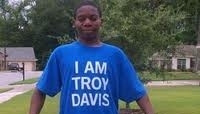
Troy Davis Nephew De’Jaun Davis-Correia on what’s next

originally by: TheRoot
published: 8th February 2012

Antone De’Jaun Davis-Correia was more than proud to be selected as one of The Root’s 25 Young Futurists last year; he was relieved. He saw it as validation of his work to abolish the death penalty. But since receiving that honor in February of 2011, the teen, who goes by “De’Jaun,” lost his grandmother, his uncle was executed and his mother died of cancer.

De’Jaun, 17, of Savannah, Ga., was born into the debate about capital punishment. His uncle, Troy Davis, was already on death row for the August 1989 murder of police officer Mark MacPhail.

Continue reading

Supreme Court ruling welcomed by rights organisations

Press Release by: INQUEST
8th February 2012

Hospitals must ensure that they take appropriate steps to prevent voluntary psychiatric patients from taking their own lives, according to a landmark judgment handed down today by the Supreme Court.

The unanimous ruling, which has been welcomed by leading mental health and human rights organisations, held that Pennine Care NHS Trust had a duty under article 2 of the European Convention on Human Rights to protect the right to life of Melanie Rabone, and failed in this duty when she took her own life in April 2005.

Paul Farmer, Chief Executive of Mind said:

Today’s judgment recognises that a positive duty is owed towards patients with mental health problems at times when they are most at risk of harm. The law now applies whether or not a patient has been formally detained.

Continue reading

Police lose immunity plea in Azelle gun death inquiry

originally by: BBC News
published: 9th February 2012

Scotland Yard has lost a court bid for firearms officers to be allowed to give evidence from behind a screen at an inquiry into a fatal police shooting. 

Police lawyers had asked the High Court to quash the inquiry chairman’s refusal to allow them to be screened from view. Azelle Rodney, 24, was in a car when an officer fired in Edgeware, north London, in April 2005.

The High Court ruled only the officer who fired the shots could be screened, not the 13 other officers involved. Police said the officers were fearful of potential “revenge attacks”.

Continue reading