UFFC discuss custody deaths on BBC West Midlands topical news show

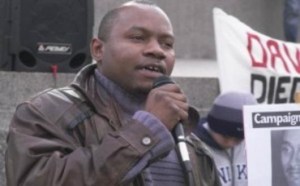
Tippa Naphtali
Tippa Naphtali

Tippa Naphtali of the United Families & Friends Campaign (UFFC) spoke on behalf of families all over the country when he was invited onto the Joe Aldred Show, a popular current affairs programme produced by BBC West Midlands.

Tippa is also the founder of 4WardEver UK and a cousin of Mikey Powell from Birmingham, UK who was killed in the custody of West Midlands police in September 2003.

The United Families & Friends Campaign (UFFC) is a coalition of families and friends of those that have died in the custody of police and prison officers as well as those who died in psychiatric and immigration detention. It also has members and supporters from campaign groups and advocacy organisations from across the UK.

Continue reading

Unproven science used to ‘explain’ custody deaths

originally by: TBIJ  
published: 31st January 2012

A controversial unproven syndrome with roots in the US is being used in British coroners’ courts to explain why people die after police restraint. 

‘Excited delirium’ or ‘sudden-in-custody-death-syndrome’ is a niche diagnosis not yet recognised by the World Health Organisation or any international authority. A number of leading pathologists have expressed concern about the use of the term in inquests.

Listen to Programme >

Individuals in the throes of ‘excited delirium’ are described as aggressive, agitated, displaying bizarre behaviour, insensitive to pain and with superhuman strength until they collapse and die

Continue reading

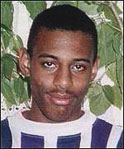
18 years on: reflections on the Stephen Lawrence verdict

originally by: brap
published: January 2012

History will recognise that the indefatigable campaigning of Stephen Lawrence’s parents has done more to change this country than a mountain of race relations legislation. brap CEO Joy Warmington reflects on the lessons of the Stephen Lawrence murder.

I, like many others, waited with bated breath for the outcome of the Stephen Lawrence retrial – and felt a sense of immediate relief at the conviction of his killers. But now some of these immediate emotions have dissipated, I wanted to reflect on what this case has meant for the race equality movement and for wider issues of justice within our society.

Firstly, of course, we must be thankful that after longer than Stephen Lawrence himself lived, two of the teenager’s killers are now behind bars.

Continue reading